Learn more about
Gainesville Car Accident Attorney
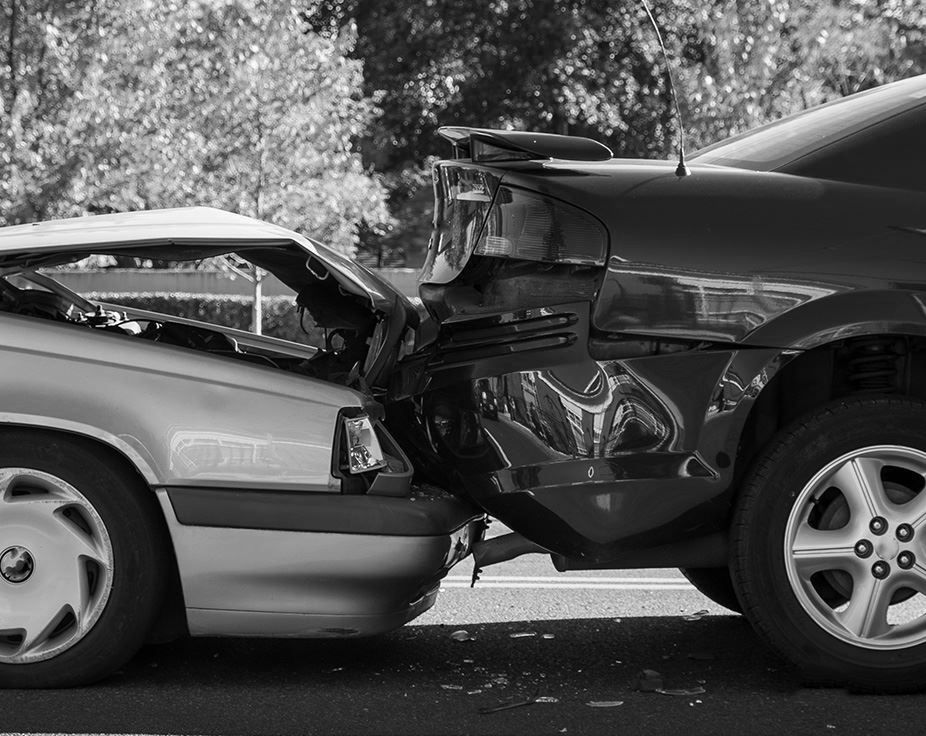
After a collision, most people don't immediately think about filing a personal injury claim. They are thinking about getting home, arranging transportation, receiving medical care, and figuring out how to handle the damage. Unfortunately, the challenges often become more complicated as the days pass.
You may receive medical bills before you have fully recovered. Your vehicle may be undrivable, leaving you without reliable transportation. Your employer may expect you to return to work even though you are still experiencing pain. Meanwhile, insurance adjusters may contact you about the accident and ask questions about your injuries. It is understandable to feel overwhelmed. Many injured drivers and passengers have never dealt with an accident claim before and do not know what information they should provide or what compensation they may be entitled to pursue.
Why Do Car Accidents Happen in Gainesville, TX?
Car accidents can occur anywhere, including busy intersections, neighborhood streets, parking lots, and highways connecting Gainesville with surrounding North Texas communities. While some collisions are unavoidable, many happen because drivers fail to exercise reasonable care.
Some of the most common causes of car accidents include:
- Distracted driving: Looking at a phone, texting, adjusting a navigation system, or engaging in other activities that take attention away from driving.
- Speeding: Traveling too fast for traffic, weather, or roadway conditions can make it difficult to stop or avoid a collision.
- Failure to yield: Drivers who disregard right-of-way rules may collide with vehicles traveling through intersections or entering traffic.
- Drunk or impaired driving: Alcohol, drugs, and certain medications can affect reaction time, coordination, and judgment.
- Following too closely: Tailgating reduces the amount of time available to respond when traffic slows or another vehicle stops unexpectedly.
- Unsafe lane changes: Failing to check blind spots or signal before moving between lanes can result in dangerous side-impact collisions.
- Reckless driving: Aggressive behavior, improper passing, and ignoring traffic signals can put everyone on the road at risk.
Determining the cause of a crash is an important part of evaluating a personal injury claim. Even when the other driver's actions seem obvious, you may need evidence to establish what happened and who should be held responsible.
What Should You Do Immediately After a Car Accident?
Knowing what to do after a collision can make a difficult situation a little easier to manage. While every accident is different, protecting your health and documenting what happened can help preserve important information.
1. Check for Injuries and Call for Help
Your safety should always come first. Contact emergency services if anyone is injured or the accident creates a dangerous situation. Do not assume that someone is unharmed simply because they can walk or speak after the collision.
2. Contact Law Enforcement
Report the accident and request assistance from law enforcement when appropriate. An official crash report may contain important information about the vehicles, drivers, witnesses, and responding officers' observations.
3. Exchange Information
Obtain the other driver's name, contact information, insurance details, and vehicle information. If there are witnesses, ask for their contact information as well.
4. Document the Scene
If it is safe, take photographs of the damaged vehicles, roadway, traffic signs, skid marks, visible injuries, and surrounding conditions. These details may help establish how the collision occurred.
5. Seek Medical Attention
Some injuries, including concussions, whiplash, and internal injuries, may not be immediately noticeable. A medical evaluation can help identify problems and create documentation of your condition.
6. Be Careful With Insurance Statements
You may be contacted by insurance representatives shortly after the accident. Avoid guessing about what happened, minimizing your injuries, or accepting a settlement before understanding your potential losses.
7. Learn About Your Legal Options
If another driver's negligence caused your injuries, speaking with a Gainesville car accident attorney can help you understand whether you may have grounds for a personal injury claim.
You do not need to complete every step perfectly to protect your rights. If you are injured or uncertain about what to do next, focus on your health and seek appropriate guidance.
What If You Feel Fine After the Accident but Experience Pain Later?
This is one of the most common concerns following a car accident. You may walk away from the scene believing you escaped serious injury, only to experience neck stiffness, headaches, back pain, or dizziness later that evening or the following day.
Why does this happen? The physical effects of a collision are not always immediately apparent. Adrenaline can temporarily mask discomfort, and certain injuries develop symptoms gradually.
Whiplash is a good example. The sudden movement of the head and neck during a collision can strain muscles, ligaments, and other soft tissues. Symptoms may include stiffness, headaches, shoulder pain, and limited movement. Other injuries, such as concussions and internal injuries, may also require prompt medical evaluation even when symptoms initially seem mild.
Understanding Texas Car Accident Laws and Shared Responsibility
Another important question is whether you can recover compensation if you were partially responsible for the accident. Texas follows a modified comparative responsibility system, sometimes called the 51% rule. Under this system, an injured person may recover damages if their percentage of responsibility is not greater than 50%. However, their compensation is reduced by their assigned percentage of responsibility.
For example, imagine that your total damages are determined to be $100,000, but you are found 20% responsible for the collision. Your potential recovery would be reduced to $80,000. If you are found more than 50% responsible, you generally cannot recover damages from another party under this rule.
This matters because insurance companies may attempt to place some of the blame on injured drivers. They might argue that you were speeding, following too closely, or failed to avoid the collision. However, an insurance company's opinion does not automatically determine legal responsibility. The available evidence, applicable law, and circumstances surrounding the crash must be considered.
What Compensation Can You Pursue After a Car Accident?
A car accident can create expenses that continue long after your vehicle has been repaired. If you suffered injuries because another party was negligent, you may be able to pursue compensation for the physical, emotional, and financial harm you experienced.
Depending on your circumstances, recoverable damages may include:
Medical Treatment and Future Healthcare: Compensation may account for emergency room visits, ambulance transportation, hospital stays, diagnostic testing, surgeries, medications, physical therapy, and reasonably anticipated future medical needs.
Lost Wages: If your injuries prevent you from working, you may be able to recover income lost during your recovery.
Reduced Earning Capacity: Serious injuries sometimes make it impossible to return to the same job or earn the same income. A claim may account for the effect of those limitations on your future earning potential.
Physical Pain and Suffering: Compensation may address the physical discomfort, limitations, and ongoing pain caused by the accident.
Mental Anguish: An accident can lead to anxiety, emotional distress, and other psychological effects that interfere with everyday life.
Physical Impairment: When injuries limit your ability to perform activities you previously enjoyed or completed independently, those limitations may be considered when evaluating damages.
Property Damage: You may also pursue compensation for vehicle repairs or the fair market value of a vehicle that is considered a total loss, along with other qualifying property damage.
The value of a car accident claim depends on many factors, including the severity of the injuries, available evidence, insurance coverage, and the long-term effects of the collision. There is no universal settlement amount that applies to every accident.
How Do You Deal With the Other Driver's Insurance Company?
After a Gainesville car accident, you will likely have to deal with at least one insurance company. If another driver caused the collision, you may be considering a claim against that driver's liability insurance.
However, filing an insurance claim and receiving fair compensation are not necessarily the same thing. An insurance adjuster may ask you to provide a recorded statement, sign medical authorization forms, or accept an early settlement. While these requests may seem like routine parts of the process, you should understand their potential consequences before agreeing.
For example, an early settlement may not account for medical treatment you have not yet received or complications that develop later. Once you sign a settlement agreement and release the claim, you generally cannot reopen it simply because your injuries turned out to be more serious than expected.
You should also understand that Texas is an at-fault state for car accidents. The driver responsible for causing a collision may be financially responsible for resulting damages, subject to applicable insurance coverage and legal requirements.
What If the Driver Who Hit You Does Not Have Insurance?
Unfortunately, not every driver on Texas roads carries adequate insurance. If an uninsured driver causes your accident, you may still have options. Depending on your insurance policy, uninsured motorist coverage may provide compensation for certain injuries and losses. Underinsured motorist coverage may also apply when the responsible driver's insurance limits are insufficient to cover your damages.
Other potential sources of recovery may exist depending on the facts of the collision. For example, another responsible party may have contributed to the accident. It is important to review your policy carefully because coverage, exclusions, and procedural requirements can affect your options. Our firm can help you better understand the questions to consider when evaluating an accident claim.
Frequently Asked Questions
What if the other driver was uninsured?
Texas requires drivers to carry insurance, but uninsured motorist cases are common. Our team can help you explore options like your own insurance coverage or filing a lawsuit against the at-fault driver.
What if I was partially at fault for the accident?
Texas follows a modified comparative fault rule. If you’re less than 51% at fault, you can still recover damages, though your compensation will be reduced by your percentage of fault.
Should I get an attorney after a car accident?
Yes, especially if you’ve been injured or face significant damage. Our team can help evaluate your case, deal with insurance companies, and ensure you’re not shortchanged.
What if I didn’t feel injured at the scene but now I do?
It’s common for injuries like whiplash or internal trauma to appear hours or days later, which is why our team recommends you seek medical attention right away, regardless of how you feel after an accident. If you didn't, seek medical attention as soon as you feel pain and inform your attorney. Delayed symptoms can still be included in your claim.
Learn More
Contact Us
Free Case Evaluation
Car Accident Advocates in Gainesville, Texas
Car accidents can change lives in seconds. At David K. Wilson & Associates, we provide the legal support and personal attention you need to move forward. We treat every client like family.
Please call the team at David K. Wilson & Associates at (903) 870-9050 for a free legal consultation with a car accident attorney.